

-

“The Last Act of Cruelty” by Nolcha Fox
Mark stomped on a bug. At four years old, he already followed in his father’s footsteps. The sidewalk radiated heat…
-
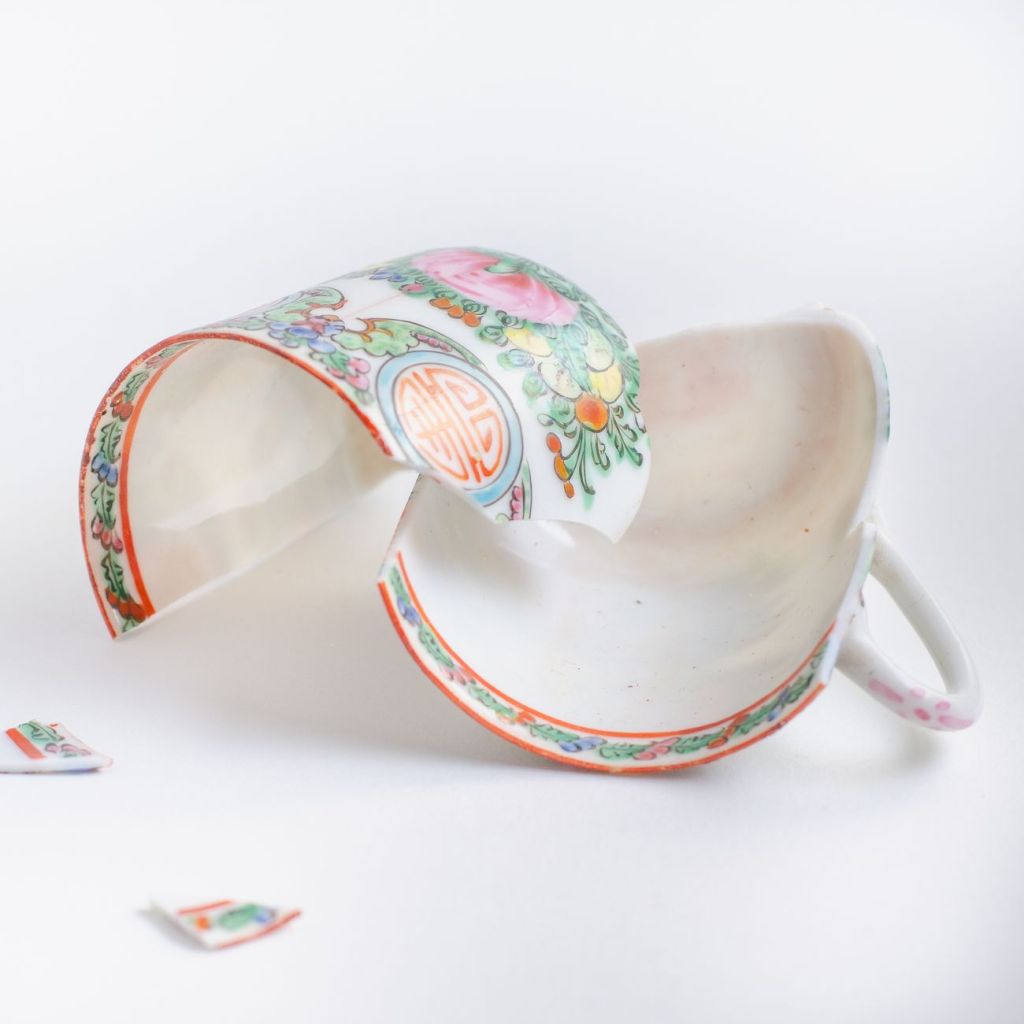
“Broken Trust” by Bill Tope
Crystal turned to Robert. She said, “Don’t ever touch me again!” His hand fell away. “When you cheated, you lost…
-

“First Date (Geoffrey)” by Peter Lingard
I wait at a table, worrying about the flowers lying on the starched covering, inconveniencing me, and using elbow space.…
A short story – Poetry – Bookshelf – Essays – Hotel of the Broken Hearts – Interviews – Contact- English Edition
LatinosUSA Editors: J. Ré Crivello, Nolcha Fox, Michelle Ayón Navajas, Francisco Bravo, Robbie Cheadle, Barbara Leonhard
A Short Story
Pombo and the Inner World

Álvaro Pombo, who received the Miguel de Cervantes Prize in April 2025, says that money is hard to get if you’re a writer. But a simple review of his career, full of numerous prizes, is enough to confirm that he has managed to make quite a good living, even if his mother accused him of being a spendthrift. A writer of enormous verbosity, despite being a latecomer (his fiction debut came in 1977, at the age of 38, with his Relatos sobre la falta de sustancia, although it’s true that he had already shown proof of being a poet before then), he seems to embody these words: “I write, therefore I am. Therefore there is an irrevocable world from the work and the grace of my words, of the words, of the verb that becomes flesh and dwells within us.” These words are from the narrator of El hijo adoptivo (1984), and they undoubtedly convey an experiential fact, a yearning for reality and survival through writing. Isn’t that—to exist—what any artist wants and what all of us want? To avoid being tarnished by the loathsome cold of unreality?
According to his friend José Antonio Marina, whom Pombo met at the college residence hall when both were new arrivals in Madrid, Álvaro Pombo’s literary work seems to be a lucid protest against the trivialization of living. This “lucid protest” is deliberately divided into two periods: one marked by the lack of substance and the other by reality, or as the author himself prefers, as it’s a more philosophical concept, that of religation. The first period ends with Los delitos insignificantes (1986), one of his most, and better, conversational novels where dialogue, apart from giving life to a minimal plot (the title is not deceptive), serves to reveal the soul of two characters sunk in a pool of failure. The second opens with El metro de platino iridiado (1990), a masterpiece through which to understand his poetics of goodness. From lack of communication and pessimism, from the bleak and the ghostly marked by the footsteps of T.S. Eliot’s “The Love Song of J. Alfred Prufrock” (“I should have been a pair of ragged claws / scuttling across the floors of silent seas”), which preside over narrations not so much realistic but rather of “psychology-fiction,” to an open literature, with ethical aspirations, celebratory, touched by the fury of Rainer Maria Rilke, an incessant invocation of the invisible. In short: nurturing a lack of substance with substantial servings of light, as Simone Weil aspired. Or at least trying to do so.
Read More... Published in LALT
Reviews / Books recommended by Masticadores

Epicentre South Africa
Editor: Robbie Cheadle


Masticadores —To day —in spanish
- La distribuidora MUBI nos ha enviado el tráiler -teaser- VOSE de Su propio infierno, un thriller vanguardista que ha escrito […]
- Publicado en Perfil (Buenos Aires) En el mundo acosado por la pandemia, el quebranto económico construye una triste ciudad perdida. […]
- El grito fue despiadado. —¡Auxilio! —¡Piedad! —¿Qué sucede? —dijo uno de los pacientes, despertando sobresaltado. El grito había opacado el […]
Poetry
Editors: Michelle Ayón Navajas, Francisco Bravo Cabrera, J. Re Crivello
-

Walking Shadow by Gopal Lahiri
In midnight’s grip, the shadow claims its due, where cold city lights trap in midnight’s grip. The heart resists yet knows the words are…
-
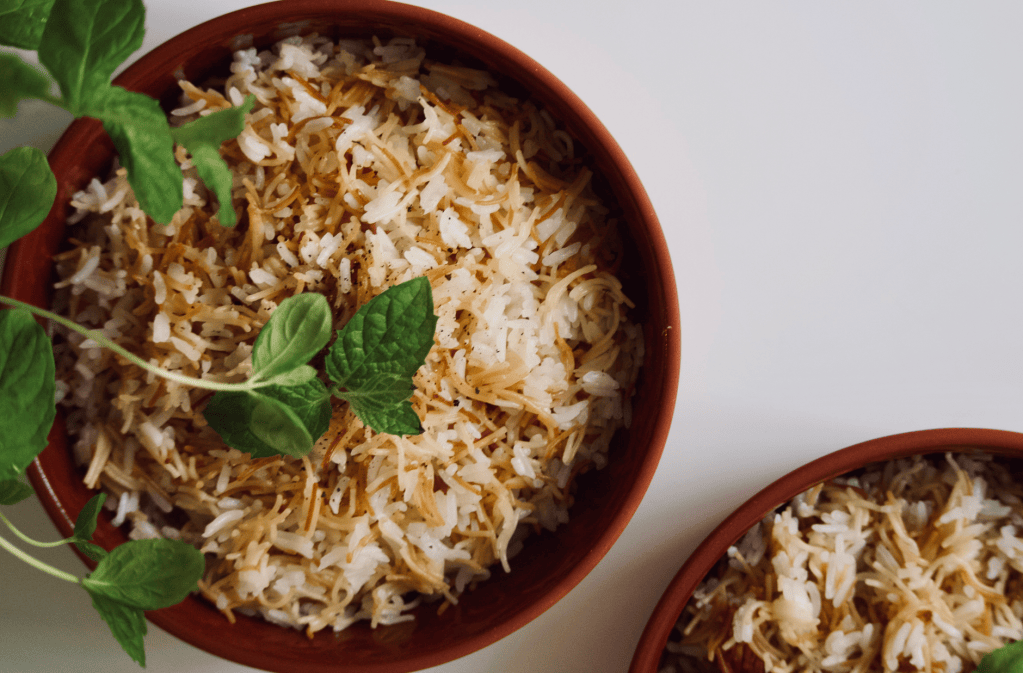
Renga by Uchechukwu Onyedikam | Christina Chin
1 Sunday rice the first piece of chicken for the girl the boys get drumsticks 2 first train ride i take the window seat passing…
-

To the Best of My Humble Recollection by Scott Outlar
I’ve taken a Suburban straight on driver’s side in a smart car spun around thrice I think hopped out from wreckage like a cartoon character…
-
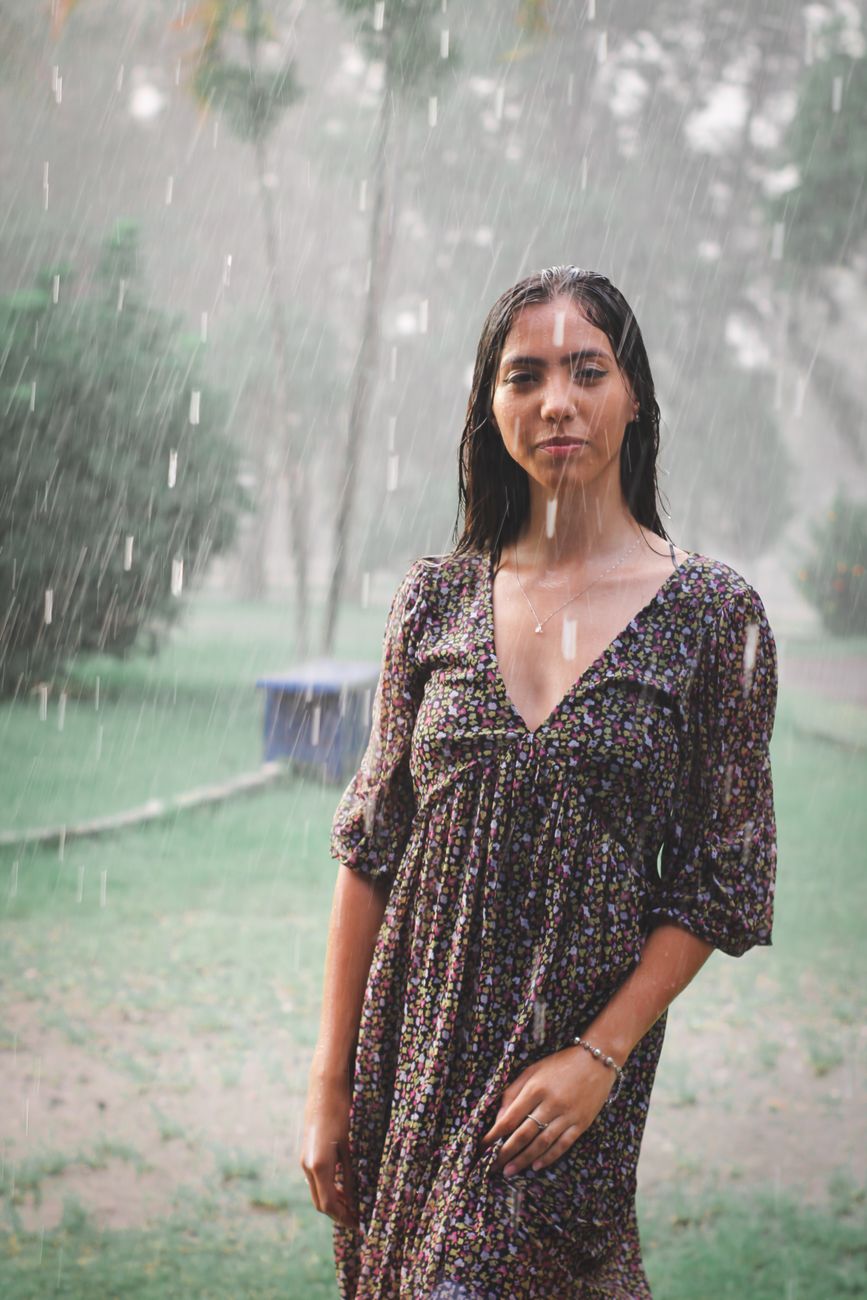
“Surviving anxiety, growing through the pain” by Carol Anne
I learned the language of fearbefore I learned my own name. It tucked itself beneath my ribs,counted every heartbeat,turned each silence into a warning,each tomorrow…
Little Chews
Editor: Nolcha Fox


Revival
—Barbara Leonhard, Nolcha Fox, and J. Ré Crivello have decided that Revival will feature articles published in older editions of MasticadoresUSA, Chewers, and Latinos. Every Monday, Wednesday, and Friday, this section will feature contributions from over 300 writers we have published since 2023.
-
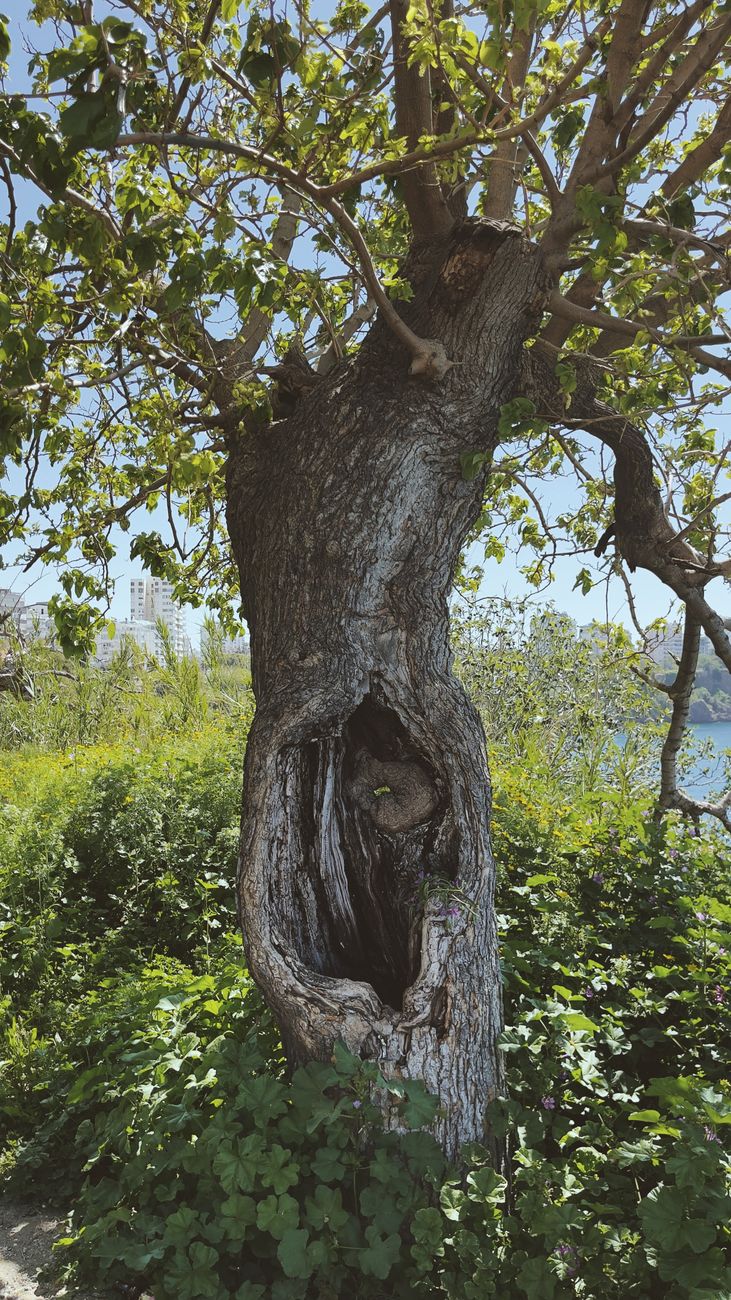
An Old Tree by Shalini Kathuria Narang
An Old TreeThe tree is bent, like a person spent,dropping at an angle, some branches still dangle. Do its roots mingle with another? Making each other stronger. or sharing worldly bother,like a brother with a…
-

Before and Again by Luanne Castle
Before and AgainThe we of my belief lived in a landof easy comfort, brief and surface woundings,even when tussled by historythat lasted a month on our portable television. We swept the…

Feedback / Essay

Hotel: «Hotel of the Broken Hearts» Editor: Michelle Ayón Navajas
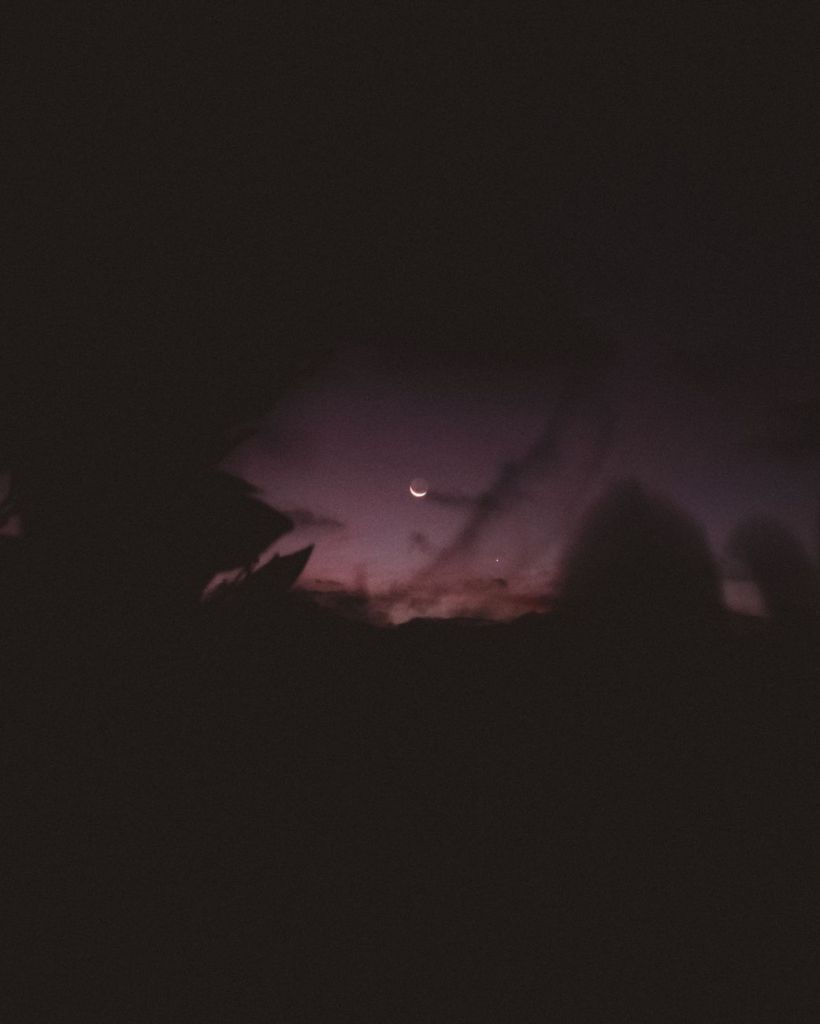
ANGEL’S TONE by Friscia Magbanua
I still ask for you.
Not out of desperation,
but because loving you
never felt like a mistake.
So I ask Him
to mend what broke in me,
to steady my hands
if they ever hold you again.
And if He’s listening—
tell Him
I’m still here,
still yours,
just waiting
for the love I kept
to find its way back to you.
….. Read More…. By MasticadoresHotel
Daily Update from Chewers & MasticadoresUSA
Gobblers / Interviews
MasticadoresCanada Editor: Ray Whitaker (Daily Update)
- POETRY-ESSAYS-ART-PHOTOGRAPHY ARE FOR CONSIDERATION IN THIS CALL JOIN IN THE INTELLIGENT WORK SUBMITTED BY CREATIVE PEOPLE ALL OVER THE WORLD, […]
- Holding dreams of a new academic session, Like the blooming flowers of the buransh (rhododendron), Children cherish seasonal dreams in […]
LatinosUSA
Overview
Masticadores.com and masticadoresdeLetras belong to the NGO Masticadores. We promote culture and communication. We publish in eight languages (Spanish, English, Portuguese, Tagalog, Romanian, Italian, French and Catalan). And we publish in twelve countries (France, Italy, Brazil, USA, Mexico, Argentina, India, Taiwan, France, Turkey, Uruguay, Philippines. On 22 blogs. With 24 editors, and 450 writers.
The idea and founder of Masticadores and MasticadoresdeLetras is: Juan Re Crivello.
Raison d’être
We work to promote culture and communication in an environment of freedom and respect for the ideas of all citizens.
Income
The operating costs of the site are funded by members. The editors involved in selecting works for the cover donate their time for the enjoyment that is generated by promoting the work of other artists, photographers and writers.
How we select collaborative work
The site editors review submissions, primarily from email submissions. See the conditions for submissions on each particular blog.
Advertising
Masticadores does not display advertising. Occasionally, artists, photographers or writers may provide links to their work elsewhere. Masticadores does not receive compensation for such links, nor does it endorse or validate them.
If you would like to help cover the cost of running Masticadores and donate you can go to fleminglabworkmail.com.
Cover Illustrations
The images, art or illustrations we use to accompany some of the features on the site are either original works provided by the author to Masticadores for the purpose of illustrating a feature or are pulled from Unsplash or Flickr, or Pinterest, using the «commercial use allowed» filter. Unless the cover author created the illustration, we also provide attribution. Please contact us if you have any concerns about any of the illustrations.
Founder and editor: J. Re Crivello
Contacto:
Email: fleminglabwork@gmail.com
The Hotel by Masticadores
Editor: Michelle Ayón Navajas
- The Crime Scene by Bianca Alina I’ve been silent and distant lately. I need more time. I’m still figuring out […]
- Longer than a Lifespan by Karlyn Miraflor My love for you remains pure and true.Beyond physical existence, distance, and time […]
LatinosUSA (en español)
- En la obra de la calle Galeana, el trabajo duro transfigura a los albañiles. Entran siendo personas para acabar convertidos […]
- En mi escritorio, muchas veces la vida pasa más lento, como cuando te quedas disfrutando un bocado del helado perfecto. […]
Diseñado con WordPress / Idea y desarrollo by J. Ré Crivello
MasticadoresAfrica —Today’s publications
- Over the vast summer hills I shall commission the maternal sun To fetch you with her long tilted rays, The slow heave of the valleys Will once again roll the hymns of accompaniment Scattering the glitter of the milky way […]
- Masks! Oh Masks!Black mask, red mask, you black and white masks,Rectangular masks through whom the spirit breathes,I greet you in silence!And you too, my panterheaded ancestor.You guard this place, that is closed to any feminine laughter, to any mortal smile.You […]
 LatinosUSA