The Story That Remembered Me Before I Was Born
There are stories that begin with a birth, stories that begin with a death, and stories that begin with a lie so old that everyone mistakes it for history. This one began with a letter.
Daniel Mumo found it beneath his apartment door on a Thursday evening while rain combed the city windows with silver fingers. There was no stamp, no return address, no name of the person who delivered it. Only his name was written on the front, in handwriting so unmistakably familiar that for several seconds he thought he wrote it himself and forgot.
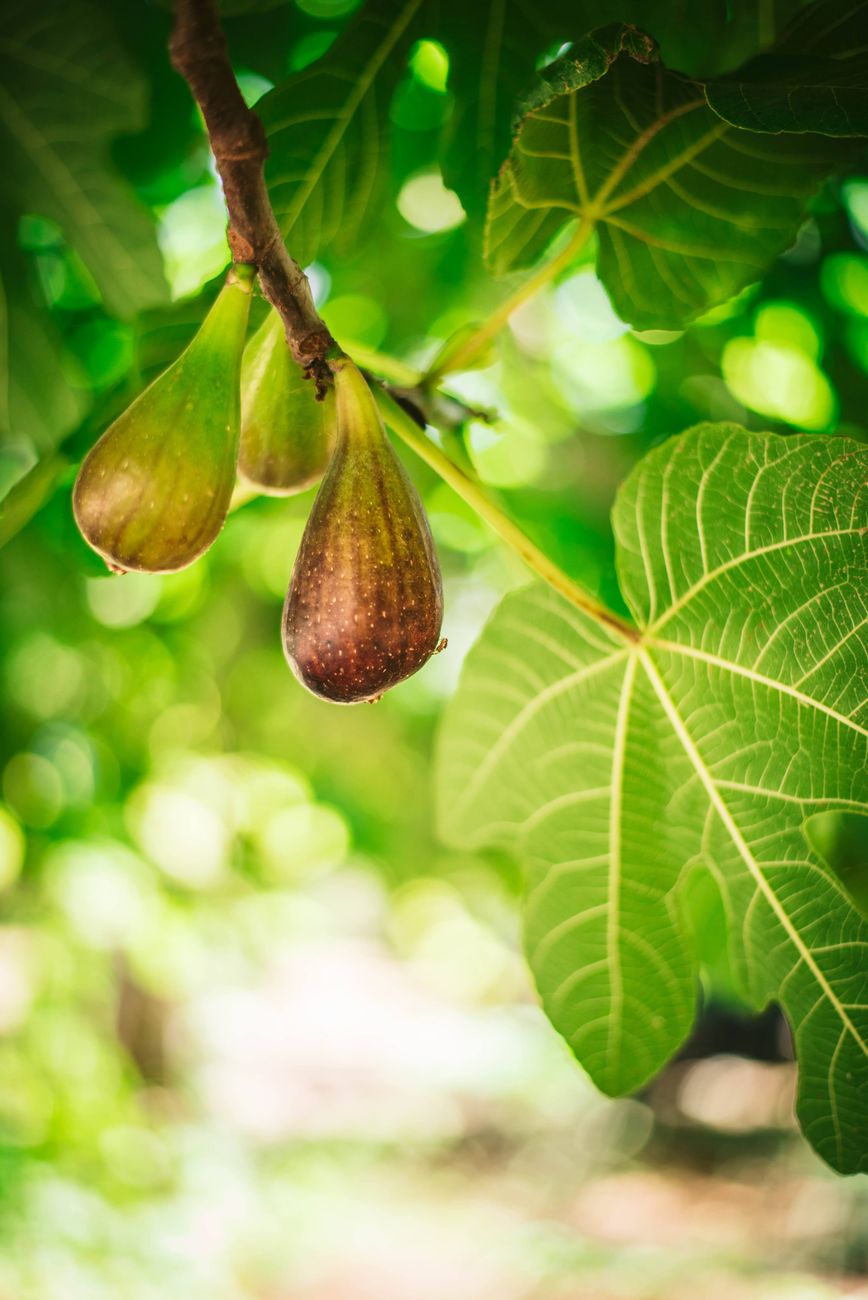
Inside was a photograph, yellowed at the edges and smelling faintly of smoke. Seven children stood beneath an enormous fig tree, their bare feet buried in red earth, their faces turned toward the camera with the solemn smiles of children instructed not to be afraid. Daniel looked at them one by one until his breath stopped. The boy at the far left was him. Not someone who resembled him. Not a brother he had never known. Him. The same eyes. The same narrow chin. The same pale scar above the left eyebrow. Even the small gap between his front teeth. On the back of the photograph was a date thirty-two years old—the year Daniel was born. Beneath it, written in the same handwriting as his own, were seven words: ASK WHAT HAPPENED TO THE SEVENTH CHILD.
He spent the night trying to prove the impossible wrong. He searched old family photographs, birth records, school documents, anything that could return the world to its ordinary shape. His mother died when he was three, and his father disappeared before Daniel was old enough to remember his face.
The official story was simple. He was born in a town hundreds of kilometers from the abandoned villages of the interior, and his childhood was unremarkable except for the early death of his mother.
Yet, shortly after midnight, another envelope appeared beneath his door. Inside was a map. A single road was drawn in red ink, leading into a region Daniel never visited. At the bottom, someone wrote: YOU HAVE BEEN THERE BEFORE. He almost tore the map apart. Then his telephone rang. The screen showed no number. Daniel answered. For several seconds there was only breathing.
Then a child’s voice whispered, “You promised you would never tell.”
The line went dead. At 3:17 a.m., his apartment lights went out.
The following afternoon, Daniel drove toward the place marked on the map, telling himself that fear was only the mind’s refusal to tolerate unanswered questions. The road narrowed as the city disappeared behind him. Concrete became soil, soil became red dust, and eventually, even the road seemed uncertain of where it was going.
At sunset, he found the forest. It stood before him like an old wall, dense and motionless, although the wind moved everywhere else. He entered. The trees swallowed the remaining light. His radio became a whisper and then silence. His phone lost its signal.
After another kilometer, he saw the fig tree. It was exactly as it had appeared in the photograph, enormous and ancient, its roots pushing through the ground like the hands of something buried beneath it. Around its trunk stood seven stones. Six carried names. The seventh was blank. Daniel approached it slowly.
The moment his fingers touched the stone, a memory entered him—not arrived, but returned. He was a child. He was running. Six children were running beside him. Someone was screaming his name. Beneath the fig tree there was a hole in the earth, and inside that darkness something was whispering, promising each child the one thing children desire most: that they would never be forgotten.
Daniel fell to his knees.
Behind him, a woman’s voice said, “You took your time.”
He turned.
She stood between the trees holding an old lantern. Her hair was white, her face lined by years, but Daniel knew her immediately. Every childhood memory he possessed seemed to rush toward her at once.
“Mother?”
She smiled, but there was no happiness in it.
“You remember me now.”
Daniel could not speak. His mother had been dead for twenty-nine years.
She walked past him toward the village. Daniel followed, because there are moments when the impossible becomes so complete that disbelief feels childish. The village appeared slowly through the trees: houses with broken windows, wells covered in weeds, doors hanging open, cooking pots rusted beside cold fireplaces. Nothing moved. Yet every house contained a clock. Every clock stopped at 3:17. His mother took him into a small house and opened a wooden chest. Inside lay hundreds of letters. Daniel lifted the first. His own handwriting stared back at him.
Dear Daniel, if you are reading this, you have forgotten me again.
He opened another.
Dear Daniel, this is the fourth time you have returned.
Another.
Dear Daniel, next time you will come believing you are searching for the truth. Do not trust the person who tells it to you.
His hands began to shake.
“Who wrote these?”
His mother looked at him.
“You did.”
Daniel laughed once, a dry and frightened sound.
“I’ve never been here.”
“You say that every time.”
The truth did not arrive like thunder. It came like water entering a room beneath a door—quietly, inevitably, until there was nowhere left to stand. His mother told him about the seven children. Years earlier, the village discovered a chamber beneath the fig tree. The elders believed the chamber could preserve memories after death. They called it a gift. But memory, they learned, was not a thing that could be buried. It could be copied. Divided. Given away.
The children were the first to discover that the chamber did something else. It could erase a person from the memories of everyone who knew them. One child could disappear without dying. Another could take his place. The village began using the secret to bury shame—betrayals, crimes, disappearances, names that powerful people did not want remembered. Eventually the seven children discovered the truth. They entered the chamber together. Only six returned.
“What happened to the seventh?” Daniel asked.
His mother closed her eyes. “You.”
“No.”
“You were the seventh.”
Daniel stepped backward.
“I came back.”
“You always come back.”
The lantern flickered.
From outside came the sound of children laughing.
Daniel turned toward the doorway.
Six figures stood beneath the fig tree.
They were no longer children.
They were adults now, but each carried something unmistakable from the photograph—the eyes, the scars, the posture, the terror. One of them held a bundle of old letters. Another held the photograph Daniel received. The last person remained in the shadows.
Daniel stared. “Who are they?”
His mother answered softly. “The people you erased.”
The room seemed to contract around him.
Memory broke open.
He saw himself at eight years old beneath the fig tree. He remembered the chamber. He remembered the children discovering the elders’ secret. He remembered fear. He remembered a choice. And then came the memory he spent his entire life unknowingly running from. He was not taken into the darkness.
He pushed someone else into it.
The seventh child.
His own face.
The realization was so terrible that Daniel wanted to scream, but no sound came. The person in the doorway finally stepped forward.
It was him.
Not a reflection. Not a ghost. A man with Daniel’s face, Daniel’s scar, Daniel’s eyes—but older somehow, as though he spent thirty-two years beneath the earth.
“You left me there,” the other Daniel said.
“I don’t remember.”
“That was the bargain.”
The clocks throughout the village began ticking.
One.
Then another.
Then all of them.
3:18.
His mother began to cry.
Daniel understood then why the letters existed. Why he always felt that certain dreams belonged to someone else. Why, throughout his childhood, he sometimes woke with dirt beneath his fingernails. Why his mother never spoke about the night he was born. Why the photograph followed him across a life he believed was his.
He did not live his life.
He was living the life created by the memory he stole.
The other Daniel held out his hand. “Come back.”
The ground beneath the fig tree opened.
Darkness breathed from below.
Daniel looked at his mother one last time. “Why did you let me forget?”
She answered through tears. “Because a mother will sometimes choose the child who can still be saved, even when saving him means condemning another.”
Daniel stepped toward the tree.
Then stopped.
“Which one of us is real?”
His mother did not answer.
The other Daniel smiled.
And that was when Daniel understood the final cruelty.
There never was a seventh child.
There was only one child, divided into two memories.
The clocks stopped.
The forest went silent.
By morning, the village disappeared again.
No map could find it. No road led to it. No satellite image showed the houses beneath the trees. Only one thing remained beneath the ancient fig tree: seven stones.
Six carried names.
The seventh was engraved with a sentence.
ONCE UPON A TIME, I WAS HERE.
Years later, in a faraway city, a young writer found an envelope beneath his apartment door. There was no stamp. No return address. On the front was his name.
Inside was a photograph of seven children beneath a fig tree.
He stared at it for a long time.
Then, from somewhere behind him, a child’s voice whispered:
“You promised you would never tell.”
He turned.
Nobody was there.
Only the door was slowly closing.
And on the other side of it, written in handwriting he recognized as his own, were four words:
THE STORY IS BEGINNING.


Deja una respuesta