Most tech-savvy people are familiar with the term handle. Its use dates back to the 1970s, when it described the on-air identity of a CB radio user. Remember “BJ and the Bear?” No? Just as well. More recently, a handle refers to the amount of money wagered on an event carried on an online sportsbook or betting site.
The impact of online sportsbooks is a function of the behavioral changes brought about by the very existence of online gaming, which is a less-insidious-sounding euphemism for gambling.
Today, millionaire celebrities appear online or on television, waxing eloquently on the probable good fortune of the online gambler. Numbering among these are songbirds Drake and Vanessa Hudgens, and socialite Paris Hilton.
Others include comedian Kevin Hart, actor and singer Jamie Foxx, and comedian Chris Rock. Former NBA star and basketball commentator Charles Barkley, and soccer superstar Lionel Messi help fill out the ranks of the well-to-do proponents of gambling.
Significantly, these beautiful and successful, but vulgar shills do not hasten to explain the risks of online gambling and their sometime debilitating counterpart of problem gambling and gambling addiction. (1.4% of gamblers, or 80 million persons worldwide, are gambling addicts).
Gambling promoters say nothing of foreclosed mortgages (an individual’s 10% increase in spending on gambling accounts for a 97.5% increase in incidence of a missed payment), or hungry families sitting around a barren supper table.
Nor do they mention the increased incidence of domestic violence. (One study found that 37 percent of people experiencing a gambling problem perpetrated intimate partner violence.)
Although online gambling is nobly marketed to an adult clientele, minors surreptitiously gamble as well. Ten percent of teens gambled online in the past year.
Of that number, 26 percent are at risk for disorders, a far higher proportion than among adults. Teens’ behavior often mirrors that of their parents.
According to one study, a single gambler’s problem behavior can metastasize its effects, impacting six to eight additional people, including family, co-workers, friends, and employers. So, man (or woman) is not an island unto himself.
Recent statistics show that Americans wager upwards of $150 billion per year on online gambling, with a profit for the owners of sportsbooks in excess of $7.5 billion. This accounts for the corporate and celebrity avarice.
And the handle is expected to increase to an otherworldly $700 billion by 2028. At this point, more than 2/3 of states gave the nod to online gambling. Why? For decades, states eschewed the legalization of gambling, citing the very real pernicious effects of the practice.
However, since state governments began exacting a percentage of the profits as a new stream of state revenue, they began to see the light. New York garners more than $3 billion per year in revenue, which, until the Supreme Court legalized online betting in 2018, was unavailable to their grasping, greedy little fingers.
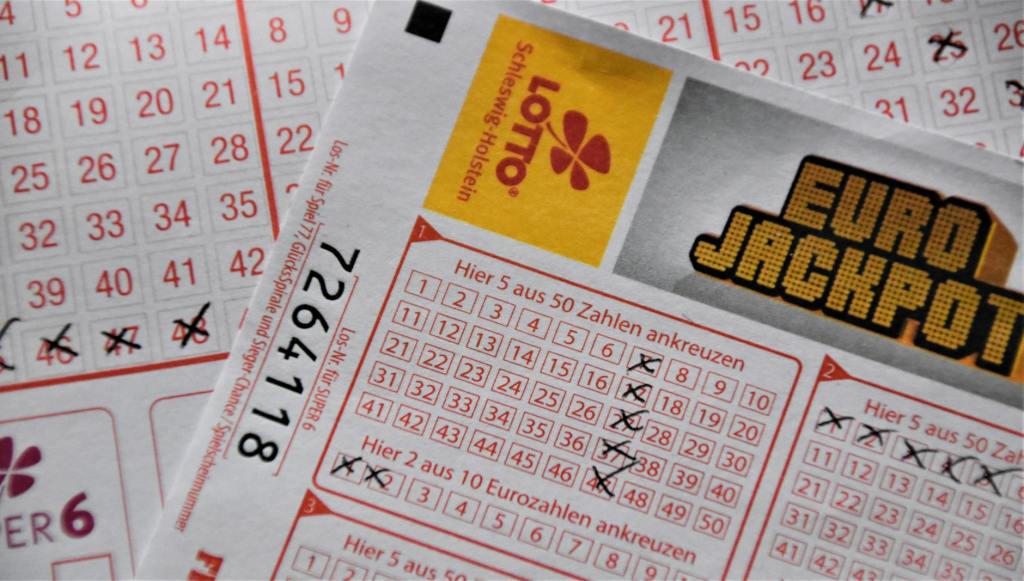
Legal gambling essentially began with the proliferation of lotteries. Today, if you walk into a convenience store to buy a newspaper or a coffee, you’ll be forced to wait in a lengthy line servicing Lotto, Powerball, and all the rest.
And who can forget the 60+-year-old retirees who squander their retirement checks on the allure of scratch-off tickets. In 2024, Americans spent more than $100 billion on lottery tickets.
And here’s a salient fact that no one ever seems to pay attention to: gambling–all gambling–is set up to make the house the winner. The odds and margins are simply with them, by design.
Legal gambling has a systemically racist aspect as well. A 2022 study of Ohio gamblers showed that 32% of Blacks in that state who gambled met the criteria for a gambling disorder. That’s compared to just 18% of white people from the same region.
A disproportionate percentage of gambling ads target African Americans. This economic fact is compounded by the reality that more Blacks are impoverished than other races.
Ads promulgate the feel-good high of following a scheme for apparent financial success, while stressing none of the downside. This puts African American proponents of gambling even more in the spotlight.
Take Chris Rock, who banters a mile-a-minute on the positivity of gambling. Or his fellow multi-millionaire Charles Barkley, who’ll never know what the consequences of a missed car payment will feel like. Or Jamie Foxx, dazzling television viewers as he struts about on camera in a glittering suit that probably cost more than the cars that 90% of Americans drive.
Shills for legal gambling are the sort of people who, 60 years ago, were starring in ads for cigarettes. And 20 years from now, they’ll be featured in ads for legalized prostitution, cocaine, and heroin. What a racket! Will you be one of the rare lucky ones and cash in on legal gambling? Don’t bet on it!
Previously published in “Synchronized Chaos”


 LatinosUSA
Deja un comentario