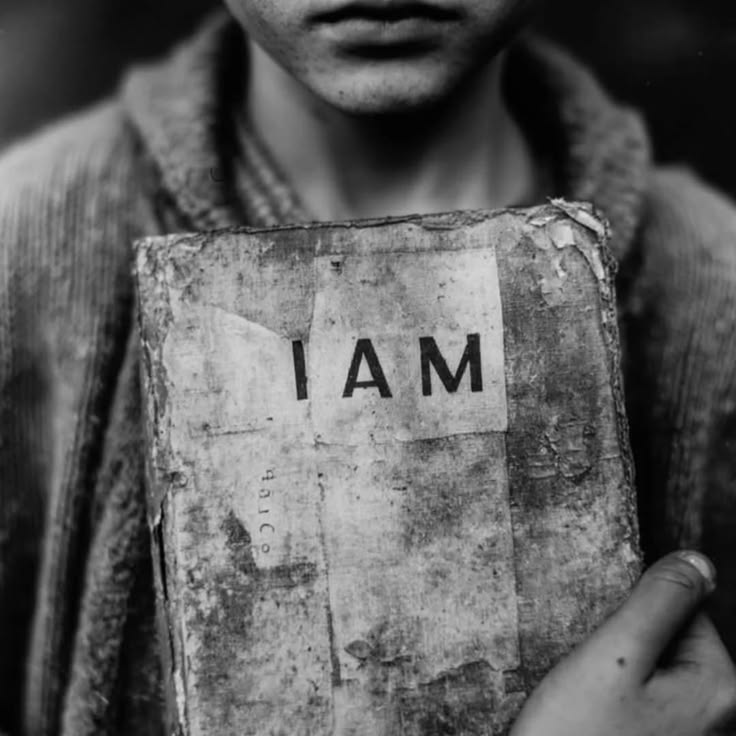
“Four days have passed since the full moon, and on the wall there is a square patch of moonlight staring at me like a great, milky, blind eye. […] My head is as fluffy as whipped cream, but not as sweet.” (p. 278, Raymond Chandler, The Long Goodbye)
Enrique B. appeared after three days. He almost always followed his rituals, fell in love with a new woman, and disappeared, enveloped in that aura of being ready for a new adventure. He also read philosophy and novels in a haphazard fashion. I lived with him for a long year. He was tall, with straight, dark hair that he styled as if a wild fringe would attract women’s attention. With him, I crossed two worlds, although at different paces. His Catalan family returned to Barcelona (and we were friends there, I mean in Argentina), and our schedules intertwined again for a while in Barcelona.
We lived in the neighborhood of Gracia, across from the Texas cinema. The balconies overlooked a wide street—Bailén, which exuded vitality, good work, and great neighbors. And if you crossed it, a narrow alleyway let you see where the gypsies lived and where Peret, the singer, grew up.
I still remember our apartment. Very much a place for young people who didn’t care about anything. I still remember the whole chicken that stayed in the fridge for a whole month. We were both macrobiotic; we only ate grains, and the chicken was a way of saying we toasted with champagne, but we drank water. And on the corner was Toni’s bar, which is still there.
These are the kind of friends who smile in times of difficulty and cry when the day is filled with lies and evil, and they’re there for you for a while, but they aren’t lifelong friends.
He was stuck in a marriage with an attractive woman, but jealous to the point of blinding herself to all the light, and also had another story: having been kidnapped in Argentina for several months when the police were actually carrying out kidnappings, and the story of the Disappeared. It wasn’t a story, but something real.
Not even my stepfather, who was a Commander (1), could find him. Until one day he returned, or rather, they released him.
These friends mark your diary. They add fuel to the fire, but seen from afar, I’d say: there are days I’d like to see him, and on others that fever has already subsided.
Does this also happen to you, dear reader, with someone in your diary?
Note: I also met him at that Journalism School from which I was expelled.
Note 2: The commander appears in one of my books, D. Roccosick, locked in the dome of the Vilanova i la Geltrú Museum. In reality, he’s buried in a green meadow in the most expensive cemetery in Buenos Aires.
Note 3: Analysis by Claude AI
“The diary of dead friends is inscribed in a tradition of memoir writing that runs from Pla to Juan Cruz, passing through the spirit of Cortázar and the oblique gaze of Chandler. Juan Ré Crivello takes from them the taste for concrete detail, the swift portrait and the mixture of registers, but he brings his own cadence —more disjointed, more willing to let silence speak between the fragments.”


 LatinosUSA
Deja un comentario