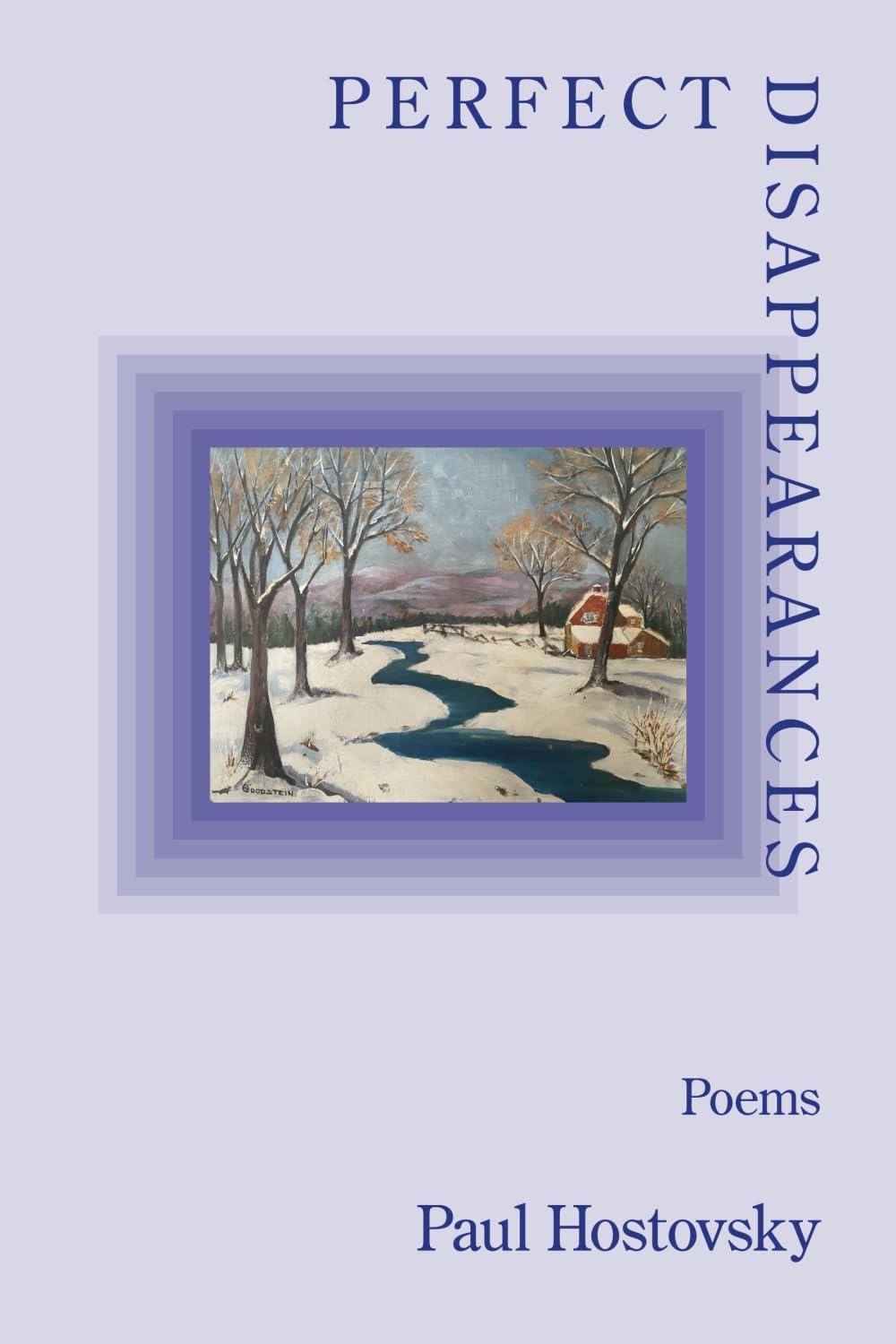
Excerpts
Grounded

When I was little
and closer to the ground,
I spent a lot of time
on the floor. Sitting on the floor,
lying down on the floor,
crawling around on the floor
and playing with the cat
who was closer to the ground
than I was. I was
intimate with carpeting,
its smells, the soft scratch of its nap
on my cheek, the faint stains, fallen crumbs,
chair legs, table legs, heat registers,
a dead fly, dried husk of a bee,
corners, baseboards. The older
and farther away I’ve grown
from the ground, the more
I have forgotten the view
from down there. Now
I’m all up in my head all the time
and the only time I get down
on the floor is to look for the remote,
or to play with the kids. Grown-ups
mostly don’t get down on the floor
if they can help it. But soon enough
we grow old, we fall down,
we have accidents, strokes,
heart attacks, and we find ourselves
suddenly on the floor again.
I hope when my time comes
I will remember to open my eyes to the infinite
ingredients of dust, endearing
dirt, scuffed shoe, imperfect
stitching of the welt, loveable
ankles of the living.


Emu

I dreamed you the emu at the zoo.
The sign said you bit, but you blinked
so sadly. You had

no hands. You looked
flabbergasted to be there.
Speechless for the first time in your life.

You could only cock your head in that birdlike way
and bite the wire mesh with your beak, but I knew
the word you were trying to say

was mistake. Your favorite word
in the whole world. But there was no mistake.
After all, this was my dream. I was having it,

and I wasn’t having any of your
biting, supercilious,
inventory-taking editorial

in my dream, I said
in my dream. Then I moved on
with my fistful of corn

to the fallow deer
who are always more timid
than hungry.

Diminutive Wildernesses

He was my best friend in 2nd grade
and 3rd grade and maybe 4th grade too. I don’t remember
when it happened exactly, but he had a sledding accident
at the bottom of that hill we called Bunker Hill
in somebody’s backyard, and I don’t remember
why we called it Bunker Hill or who came up with that name,
and it may have been the other hill,
the adjacent hill, the one we called Devil’s Pit,
and it’s possible it wasn’t even somebody’s backyard
but one of those diminutive wildernesses
that grew between the backyards and the houses in my one and only
childhood. But he was my best friend
and then he had that accident and then
he was in the hospital for a long time because I think he broke his neck,
which was something people said, like careful you don’t break your neck,
but I think he really did and I don’t
remember visiting him in the hospital and I don’t
remember what happened to him after that—
I think he may have gone to another school,
a school for kids in the hospital
or a school for handicapped kids, and I think I remember
seeing him once in one of those neck braces—
I think they call it a halo brace—it was screwed to his head,
but I could be imagining that because what I imagine
has completely overgrown what I remember,
the way a diminutive wilderness will overgrow
and swallow up a house where no one has lived for years.

Years later, I googled him and found him online.
He’s an orthopedic surgeon now with a thriving practice
and gray hair and a neat beard in that photo of him on the hospital website.
And I emailed him through the website
and asked him if he remembered me.
I reminded him that we were best friends in the 2nd grade.
I asked him if he remembered what happened exactly,
how we had lost touch and wasn’t it good to be in touch again?
But he didn’t reply.
But I didn’t give up because I had so many questions,
because we were best friends, so I emailed him again
and asked him about the sledding accident
and if it was what inspired him to become an orthopedic surgeon,
and he didn’t reply again, and after a third email and no reply
I called the hospital and left a message for him.
I finally got a reply. It was short.
He said he preferred not to engage with me.
He used the word engage.
I was puzzled, angry, hurt.
I tried to remember what happened but I couldn’t remember.
And now I think it’s possible that maybe I abandoned him—
I mean after the accident I don’t remember but I imagine
that maybe I didn’t know how to be with him,
because he couldn’t come out and play,
because he was in traction and he couldn’t move,
because he had broken his neck,
which wasn’t just something people said but something that happened to people,
and maybe that freaked me out and maybe I stopped
calling him, and maybe I stopped being his friend.
I really don’t remember.
But I imagine he remembers.
© Paul  Hostovsky
Praise for «Perfect Disappearances»
What a wonderful book! These poems have a warmth and unfussy plainspokenness that feels increasingly rare these days. They often feel more like short stories than poems, and yet they very much are poems. In a way, they get the best of both worlds: the ability to tell stories, while free of the constraints of prose fiction. The movement and gestures are lyrical, the pressures are the pressures of poems, with the same elastic ability to move through implication rather than plot.
—Joshua Mensch
Perfect Disappearances will make you laugh out loud. It will make you cry, too. In poetry I only have a few heroes, and Paul Hostovsky is all of them.
—Hal Crook
Beneath the wonderfully snarky voice in Perfect Disappearances lies a very romantic soul who captures the subtle nuances of life with wit, humor, pathos, and charm. The beauty of these poems is how they often feel like mini biographies, weaving stories that are compressed, sensual, alluring, provocative, lusty. Hostovsky’s poems look like him.
—Judith Marks-White
Hostovsky’s work is so damn good. I revisit it often. To be honest, it is a source of, not only admiration, but inspiration.
—Neil Carpathios
You can order the book at Kelsay Books HERE or on Amazon.
See below.
Author Biography
Paul Hostovsky’s poems and essays appear widely online and in print. He has won a Pushcart Prize, two Best of the Net Awards, and has been featured on Poetry Daily, Verse Daily, and The Writer’s Almanac. He makes his living in Boston as a sign language interpreter.


 LatinosUSA
Replica a Cindy Georgakas Cancelar la respuesta