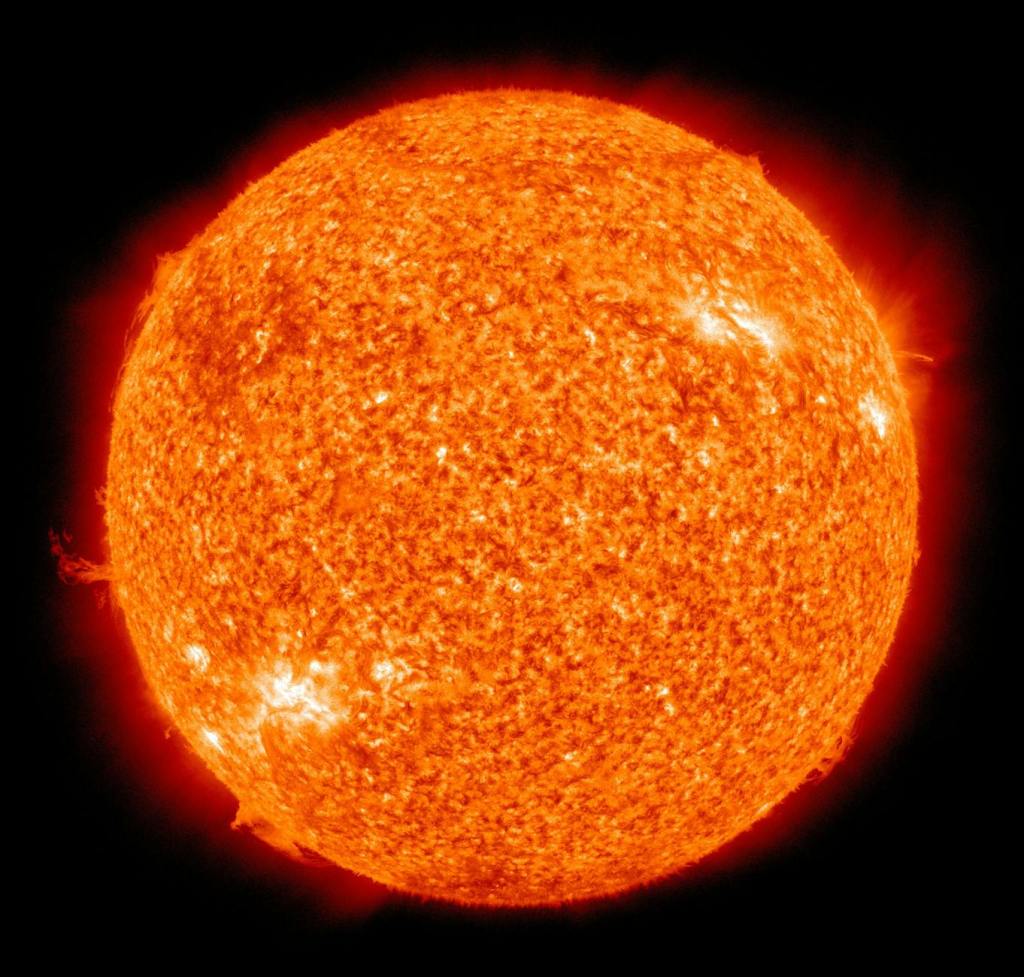
Sol Invictus (“Unconquered Sun”) was the official Sun God of the Romans, who celebrated its birthday (Dies Natalis Solis Invicti) on the winter Solstice, with a lot of candles symbolizing the quest for knowledge and truth.
It occurred on the eighth day before the Kalends (the first day of the month): in the Roman calendar, the eighth day before the Kalends of January (VIII Kal. Jan.), was December 25.
It is the shortest day of the year, after which the light of day finally begins to lengthen. For Ovid, it was the first of the new sun and the last of the old
Most people think that the Solstice is a whole day . Actually, it is just the specific moment when the Sun is exactly over the Tropic of Capricorn.
The term solstice comes from the Latin word solstitium, meaning ‘the Sun stands still’, because on this day, the Sun seems to stand still at the Tropic of Capricorn before reversing its direction.
In the Northern Hemisphere, the December Solstice indicates the beginning of winter, when the Earth is closest to the Sun.
We have to remember that the four seasons are not defined by the distance from the Earth to the Sun, but by the angle of inclination. This determines the amount of sunlight reaching the Northern or Southern Hemispheres, causing variation in temperatures and weather patterns.
Since we live in the Northern Hemisphere, the increase rate of daylight hours depends on our latitude – in more northern latitudes it is possible to see a rapid increase in daylight hours, if compared to the one noticed in the more southern latitudes.
The latitude at Carate Brianza (Italy) is 45°40’28” N
(The latitude of the Equator is 0°; the latitude of the North Pole is 90°)


 LatinosUSA
Replica a robertawrites235681907 Cancelar la respuesta