In the beginning
Patrick Brontë, born Brunty, was the oldest of ten children born to Hugh Brunty, a farm labourer, and Alice McClory. He grew up in the small village of Drumballyroney in Country Down, Northern Ireland. At the age of twelve, Patrick was apprenticed to a blacksmith, and the to a linen draper and a weaver until he became a teacher in 1798. In 1802, he was given an opportunity to study theology at St John’s College, Cambridge, from where he received his degree in 1806. He was appointed curate at Wethersfield in Essex, where he was ordained a deacon of the Church of England in 1806 and into the priesthood in 1807.
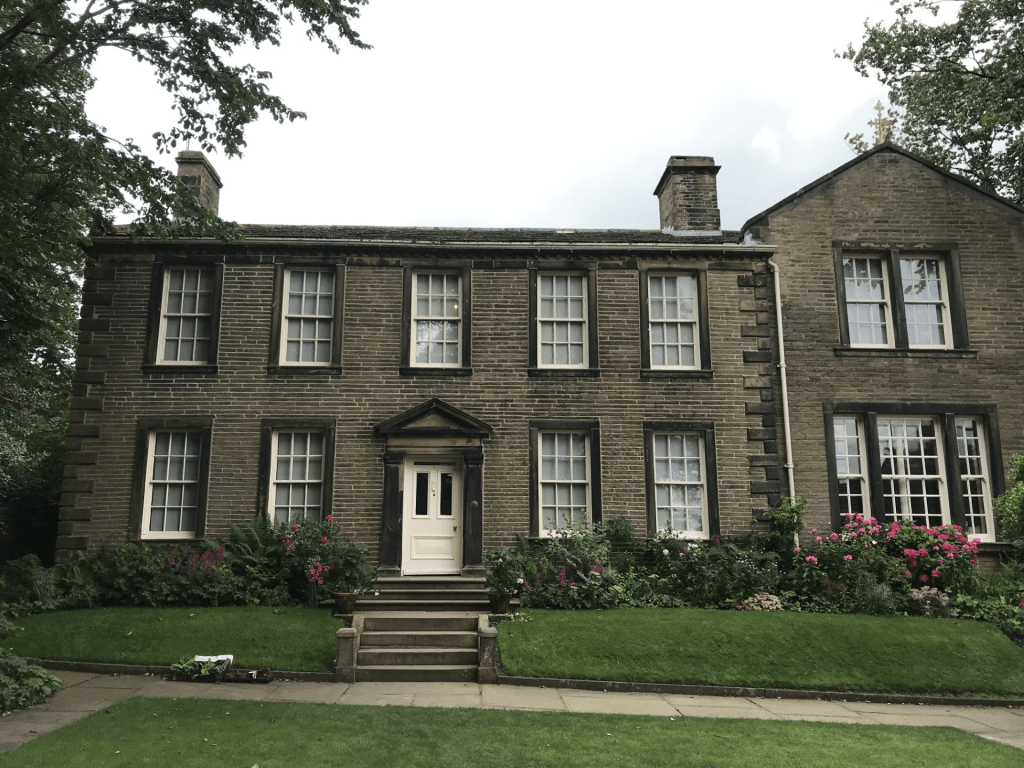
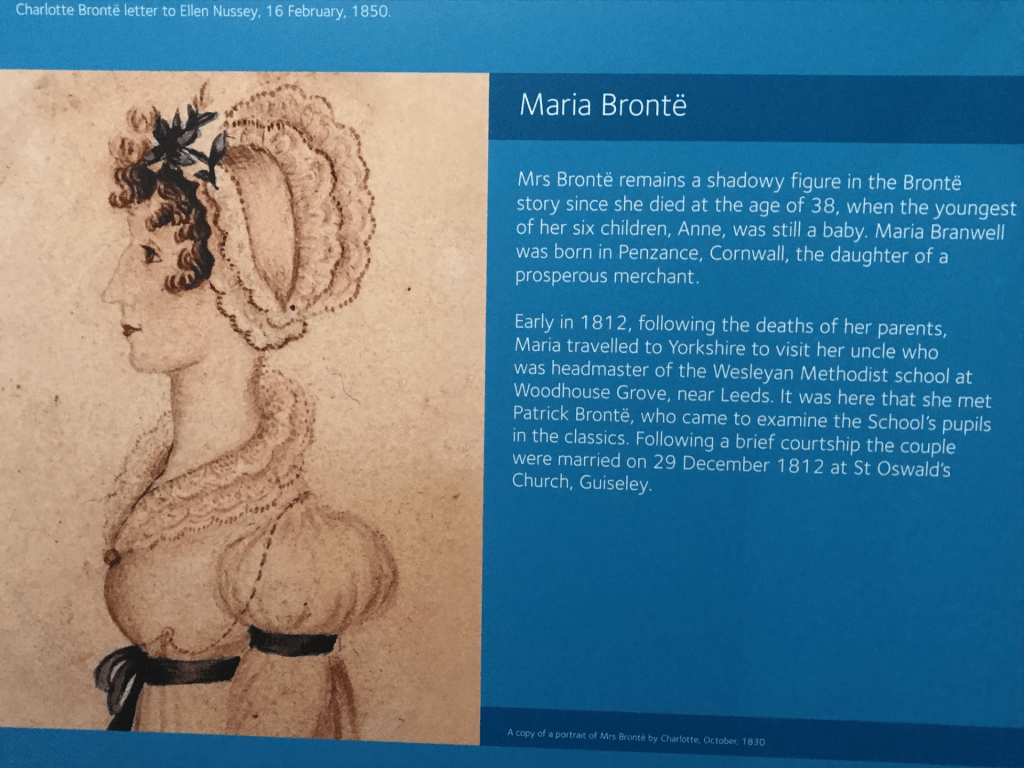
Patrick Brontë met his wife, Maria Branwell, during his time as a school examiner at Wesleyan Academy, Woodhouse Grove School near Guiseley. The couple married on 29 December 1812 following which they moved into a house on Halifax Road, Liversedge where their first two daughters, Maria and Elizabeth, were born. In 1815, he moved on to become the perpetual curate of Thornton and his four other children, Charlotte, Patrick Branwell, Emily and Anne were all born there. The Brontë family moved to Haworth in April 1820 after Patrick was offered the perpetual curacy of St Michael and All Angels’ Church in Haworth.
Interesting information about Patrick Brontë
Patrick Brontë was a published poet. In 1810, his 256-line poem Winter Evening Thoughts, appeared in a local newspaper and in 1811 he published a collection of moral verses called Collage Poems.
He was a remarkable clergyman and was most concerned about the welfare of his parishioners. He founded a Sunday School in Haworth and campaigned for the improvement of sanitation in the village. In addition, he did not support the strict Calvinist doctrine of only the “elect” reaching Heaven and his attitude tended towards the message of forgiveness and hope.
He slept with a loaded gun next to his bed at night, having lived through periods of Luddite and Chartist violence which effected clergyman. Every morning, he discharged the bullet by firing it from his bedroom window across the adjacent graveyard.

Before his son, Branwell’s, death in 1848, he shared his room with his son in order to watch out for his safety. Branwell was addicted to alcohol and opium which made him a danger to himself.
His eyesight deteriorated with age until he was almost blind. When he was 69 years old, he travelled to Manchester with Charlotte for a cataract operation which he undertook without anesthetic. It improved his eyesight and although he continued to wear glasses, he was able to read with the help of a magnifying glass. It was during their time in Manchester, that Charlotte started writing her book, Jane Eyre.
About Robbie Cheadle
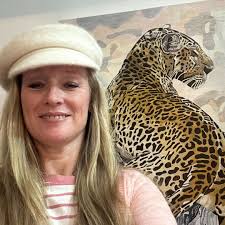
South African author, photographer, and artist, Robbie Cheadle, has written and illustrated seventeen children’s books, illustrated a further three children’s books, written and illustrated four poetry books and written and illustrated one celebration of cake and fondant art book with recipes. Her work has also appeared in poetry and short story anthologies.
Robbie also has two novels and a collection of short stories published under the name of Roberta Eaton Cheadle and has horror, paranormal, and fantasy short stories featured in several anthologies under this name.
You can find Robbie Cheadle’s artwork, fondant and cake artwork, and all her books on her website here: https://www.robbiecheadle.co.za/
Social Media Links
Bluesky: https://bsky.app/profile/robbiecheadle.bsky.social
YouTube: https://www.youtube.com/channel/UCVyFo_OJLPqFa9ZhHnCfHUA
Goodreads: https://www.goodreads.com/author/show/15584446.Robbie_Cheadle
TSL Publications: https://tslbooks.uk/product-tag/robbie-cheadle/
Amazon: https://www.amazon.com/stores/Robbie-Cheadle/author/B01N9J62GQ
Unsplash profile: https://unsplash.com/@r_cheadle


 LatinosUSA
Replica a merrildsmith Cancelar la respuesta