
No creature of the night seems to excite writers,readers, goth fashion designers, audiences, and gamers like thevampire. While the luster of other humanoid monsters such as Frankenstein, the Mummy, and the Wolfman has faded, vampireshave retained such undying appeal that they’ve infiltrated some ofthe unlikeliest niche markets such as wines, casino slot machines, breakfast cereals, and kiddie cartoons.
Where did they come from? How did they become alluring and all pervasive?
The discovery of vampires began in Europe, where they werefirst written about in the late 1600s and early 1700s as the Ottoman Empire was losing control over south Slavic countries. Ancient tales from various cultures were being spread about sinister blood-drinking entities with demonic characteristics– – and the intrepid vampire hunters who would exhume and dismember the deceased who were suspected of rising up and feeding on the living.
Folkloric Vampires: Pariahs, Criminals, and Undesirables
At first, Eastern European societies regarded vampires as scapegoats, assuming they were to blame for bad luck: illness, horses going lame, death, natural disasters, and almost anything the locals could neither changenor understand.
Suspicious Eastern Europeans also believed that it was the town’s pariahs who would become vampires after death. Marginalized types such as drunks, thieves, accused witches, murderers, or adults excommunicated from the church, it was thought,were likely to morph into vampiresin their coffins.
Since folkloric vampires were associated with ill omens and outcasts, they were never depicted as attractive nor welcome.
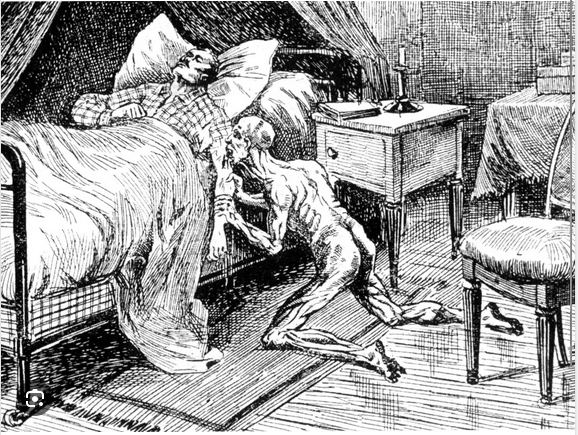
Then in 1727, a macabre incident unfolded, igniting widespread intrigue.
After moving to Meduegna, Serbia, Arnold Paole had confided in neighbors about battling a vampire in Gossowa; by anointing himself with blood from its grave, he had vanquished it. Unfortunately, his own demise would not be far behind; a fall from a haywagon resulted in a broken neck that ended the young man’s life.Persistent claims of Paole’s posthumous visits compelled villagers to alert authorities. When his remains were exhumed, gruesome signs indicated he’d transformed into a vampire. Subsequently, numerous untimely deaths followed in his village. And each time, the deceased would reappear to torment the living.
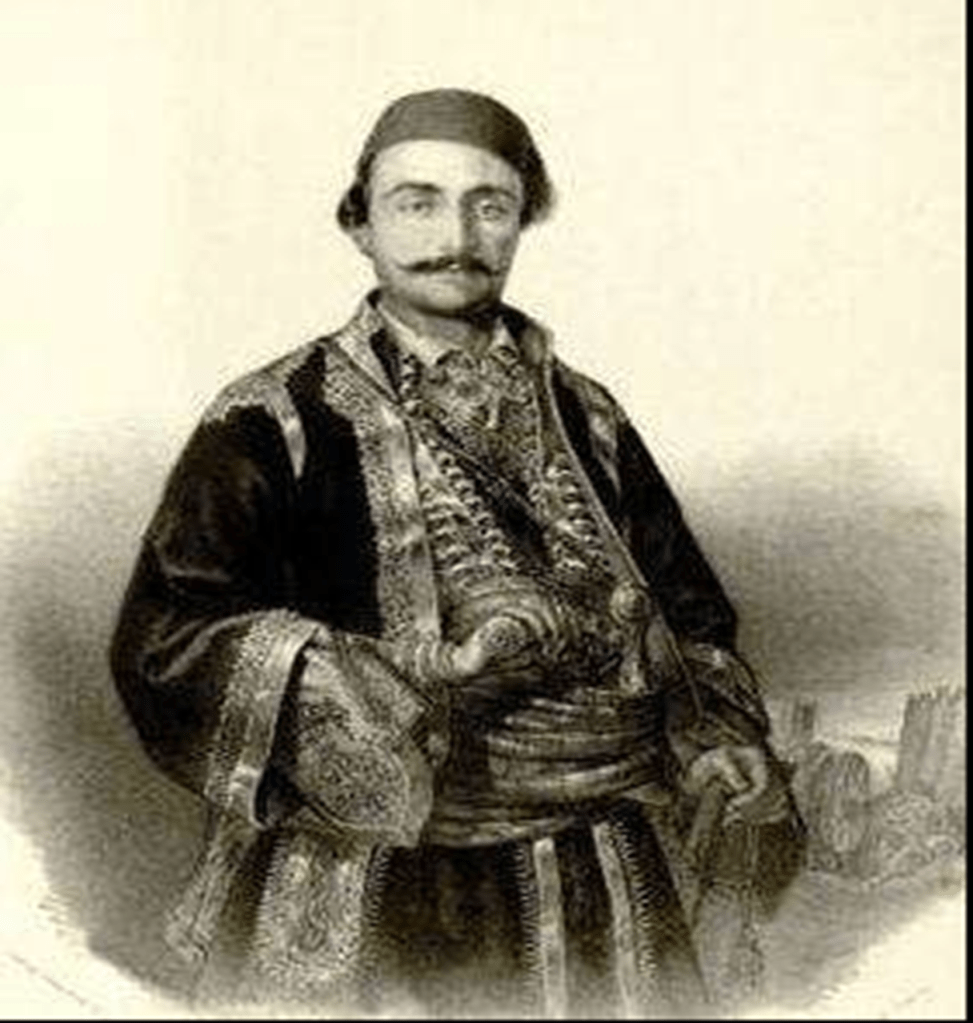
Viennese surgeons were dispatched to Meduegna to exhume the corpses and relay these findings to the Austrian Emperor. This report «Visum et Repertum» (1732) became a bestseller, circulating throughout Europe. Such a phenomenal success piqued the interest of authors.
Literary Vampires: Seductive and Highborn
Through literature and theater, vampires entered mainstream media, newly reborn as enigmatic, supernatural, seductive beings, veiled in secret knowledge. The earliest work, «The Vampire» by Heinrich August Ossenfelder (1748), a sensually charged poem about a scorned lover threatening to seduce an innocent maiden into his world of darkness, introduced the novelty of transgressive eroticism. Quite a leap for the undead – – from social leper to hottie.
Other literary upstarts, all predecessors to Stoker and «Dracula,» brought forth equally intriguing makeovers.
«The Bride of Corinth» by J.W. von Goethe (1797), a narrative poem about forbidden love and grief, depicted a distraught virgin who, as a last resort, becomes a vampire.
«The Vampyre» by John Polidori (1819) elevated vampires to the aristocracy with the handsome Lord Ruthven.
«The Family of the Vourdalak» by Aleksei Tolstoi (1843) included the shocking twist of incest.
«The Pale Lady» by Alexandre Dumas (1849) was the first vampire tale set in the Carpathians, according to historians.
«The Vampire» by Alexandre Dumas (1851), a gothic play in five acts, offered another version of the Lord Ruthven legend as an ethereal tale of fate, forbidden love, and sacrifice.
«The Vampire Countess» by Paul Feval (1865) conjured a vampire hellbent on rejuvenation. Countess Addhema tore off the scalps of her victims in order to regain her youthful beauty.
«Carmilla» by Sheridan Le Fanu (1872) became a lesbian vampire sensation.
Romania was indelibly attached to the vampire mystique, courtesy of the nonfiction bestseller «Transylvanian Superstitions» penned by Emily Gerard and Agnes Murgoci (1885) and, twelve years later, the iconic epistolary novel «Dracula» by Bram Stoker (1897).
Following the success of Hollywood’s cinematic adaptation of Stoker’s novel, featuring the legendary Bela Lugosi as the enigmatic count, the vampire soared into the collective imagination.
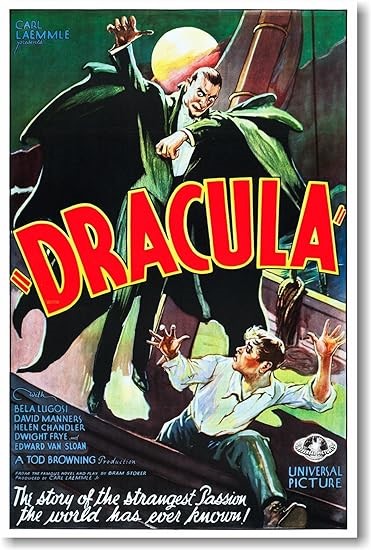
Why vampires have maintained their popularity in contemporary culture
Vampires have always stood in for outsiders deemed exotic and dangerous, hiding in plain sight. Here are some of the key reasons why vampires remain popular.
- Timeless Themes: Vampire verses, fiction, and films often explore timeless and universal topics such as love, immortality, power, and the struggle between good and evil. These themes resonate with audiences across generations.
- Sexual Symbolism: Since the appearance of Ossenfelder’s erotic poem in 1748, vampires have been associated with sensuality and sexuality. Their allure, immortality, and the act of biting or drinking blood can be seen as metaphors for forbidden desires and lust.
- Mystery and Intrigue: Vampires, celebrated for their inscrutable allure, are typically portrayed as enigmatic and secretive. This aura of mystery and intrigue keeps audiences engaged as they try to uncover the secrets and rituals of the vampire world.
- Adaptability: The vampire myth is highly adaptable. It can be reimagined and incorporated into various genres, from horror and romance to comedy and science fiction, making it versatile and appealing to a wide range of audiences.
- Iconic Characters: Iconic fictional vampires such as Dracula, Lestat (from Anne Rice’s novels), Barnabas Collins (of «Dark Shows» TV fame), and Edward Cullen (from the «Twilight» series) have become cultural symbols. These characters are memorable and continue to captivate new generations.
- Eternal Youth and Immortality: Vampires represent a universal desire for eternal youth and immortality, a compelling and relatable theme, especially in any society that privileges the young over the old.
- Symbolism and Metaphor: Vampire stories often serve as metaphors for various aspects of the human condition, such as addiction, alienation, and the fear of death. This symbolism allows for deep exploration of human nature and psychology.
- Gothic Aesthetics: The gothic, romantic aesthetics associated with vampires, such as grand castles, dark clothing, capes, and atmospheric settings, enhances their enduring appeal.
- Escapism: Vampire stories offer a form of escapism, allowing audiences to step into a world where the supernatural and extraordinary exist, providing a break from the norm.
- Social Commentary: Vampire narratives can be used to comment on contemporary social issues. For instance, they have been used to explore themes of otherness, discrimination, and the fear of the unknown.
- Pop Culture Influence: Vampires have left a significant mark on popular culture and entertainment, from films, plays, TV shows, books, gaming, and merchandise. Their presence in various media has helped sustain their attraction.
- Fan Communities: Fandoms around vampire series and characters are passionate and dedicated. These communities keep the vampire myth alive through fan fiction, fan art, conventions, themed events, and online discussions.
In summary, vampires continue to be popular due to their ability to tap into universal themes, their versatility, their iconic characters, and the way they offer a blend of escapism, sensuality, and mystery, making them a captivating and enduring element of literature and entertainment.
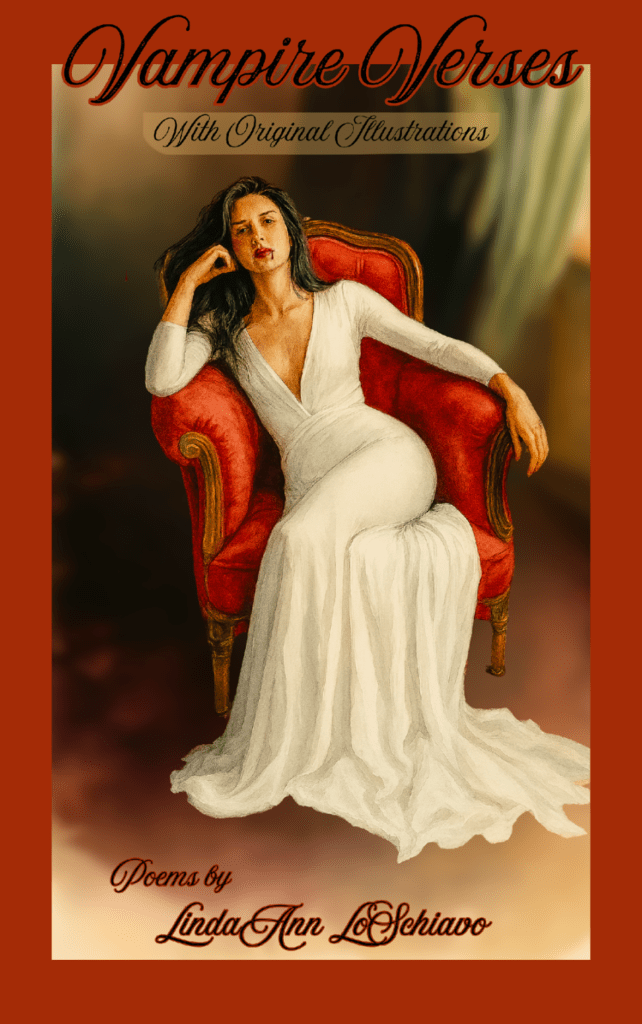
Author…


 LatinosUSA
Replica a Lisa Tomey-Zonneveld Cancelar la respuesta