Graciela Pisano states that “what differentiates human beings from animals is the awareness of death.” This awareness is not merely knowing that we will die —something that could also be affirmed biologically— but knowing ourselves as mortal in a symbolic, existential sense. That is, to live under the weight and clarity of the fact that everything we love will be lost, that our actions are marked by a limit that gives them meaning: finitude.
Animals, at least from our perspective, do not bear this anguish. They act, survive, flee, rest… but they do not anticipate their disappearance with the same drama as humans do. This “awareness of death” throws us into language, into rituals, into unanswerable questions. Death founds culture: it is written about, sung, buried, remembered.
At this point, Kamiya’s short story, “Rawson’s Question,” echoes this reflection. The character says:
“Bear doesn’t come out, bear doesn’t come out. After a while, he realizes. Bear has found the solution, the solution to what was trapping him.”
As a reader, I sense that “what was trapping him” was like a prison, a way of life he no longer wished to endure, and the solution he found might be death. It is a possible and powerful interpretation. If we think of Bear as representing the animal in us —the instinctive part that neither thinks nor suffers limits through words— then his not coming out is a form of retreat, of silence, of acceptance that requires no articulation. In contrast, the character observing Bear does need to express it, to narrate the exit, to give it meaning.
There lies the contrast: Bear’s exit is a wordless solution; the human’s, an eternal question. The animal, perhaps, simply is. The human knows that he is, and knows that he will not be. That awareness gives rise to anguish—but also to poetry.
Ultimately, what I suggest is that “Bear has found the solution” is a subtle and beautiful way of speaking about death without naming it directly. He doesn’t think about it, doesn’t fear it—he simply doesn’t come out. And perhaps, in that act, there is more wisdom than in a thousand reflections.
@María José Luque Fernández
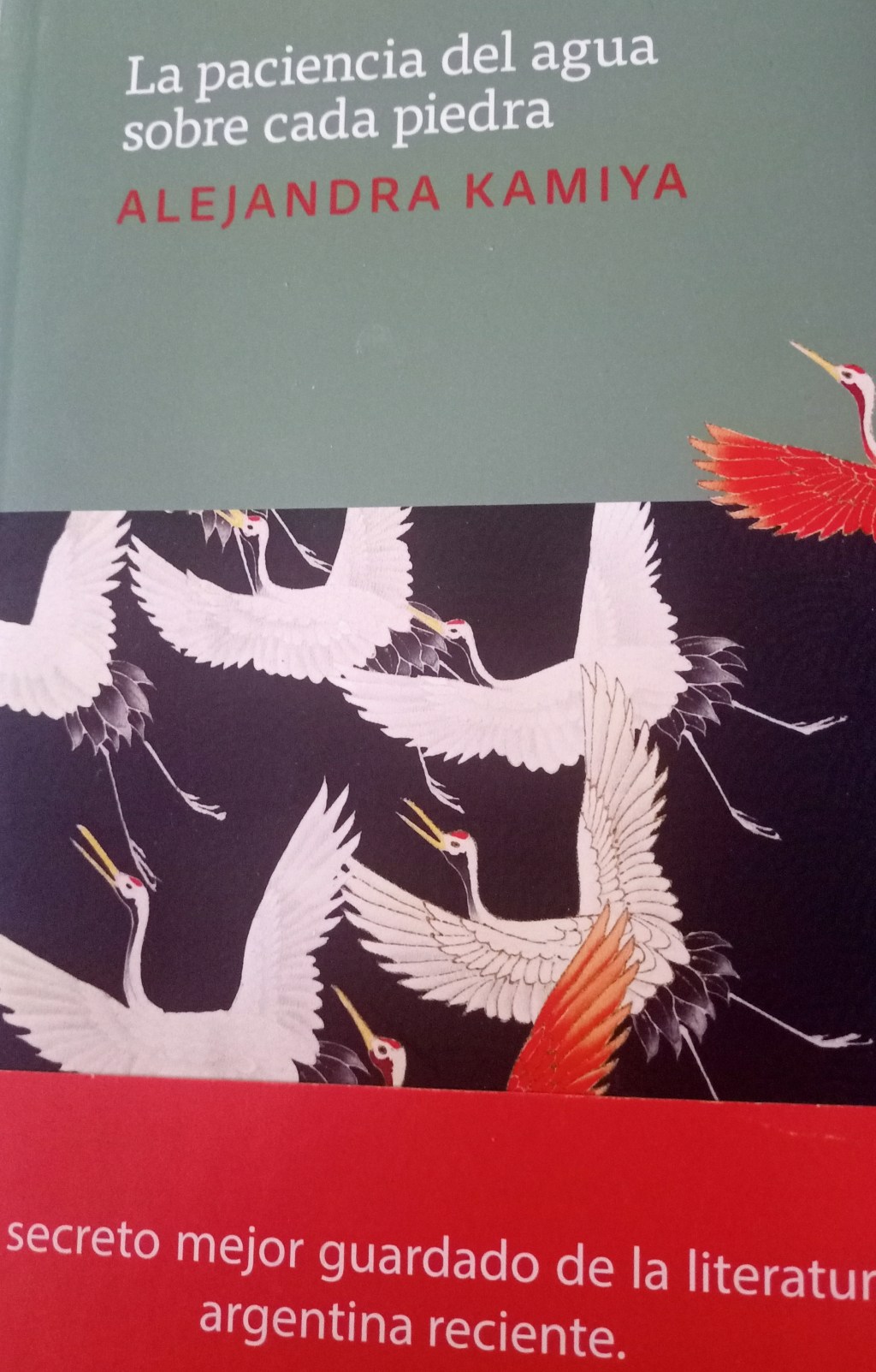
@Book cover illustration
 LatinosUSA
Deja un comentario